Natives Gaussian Splatting in Blender

TitleBlender 5.3: Using Native Gaussian Splats with XGRIDS and PortalCam
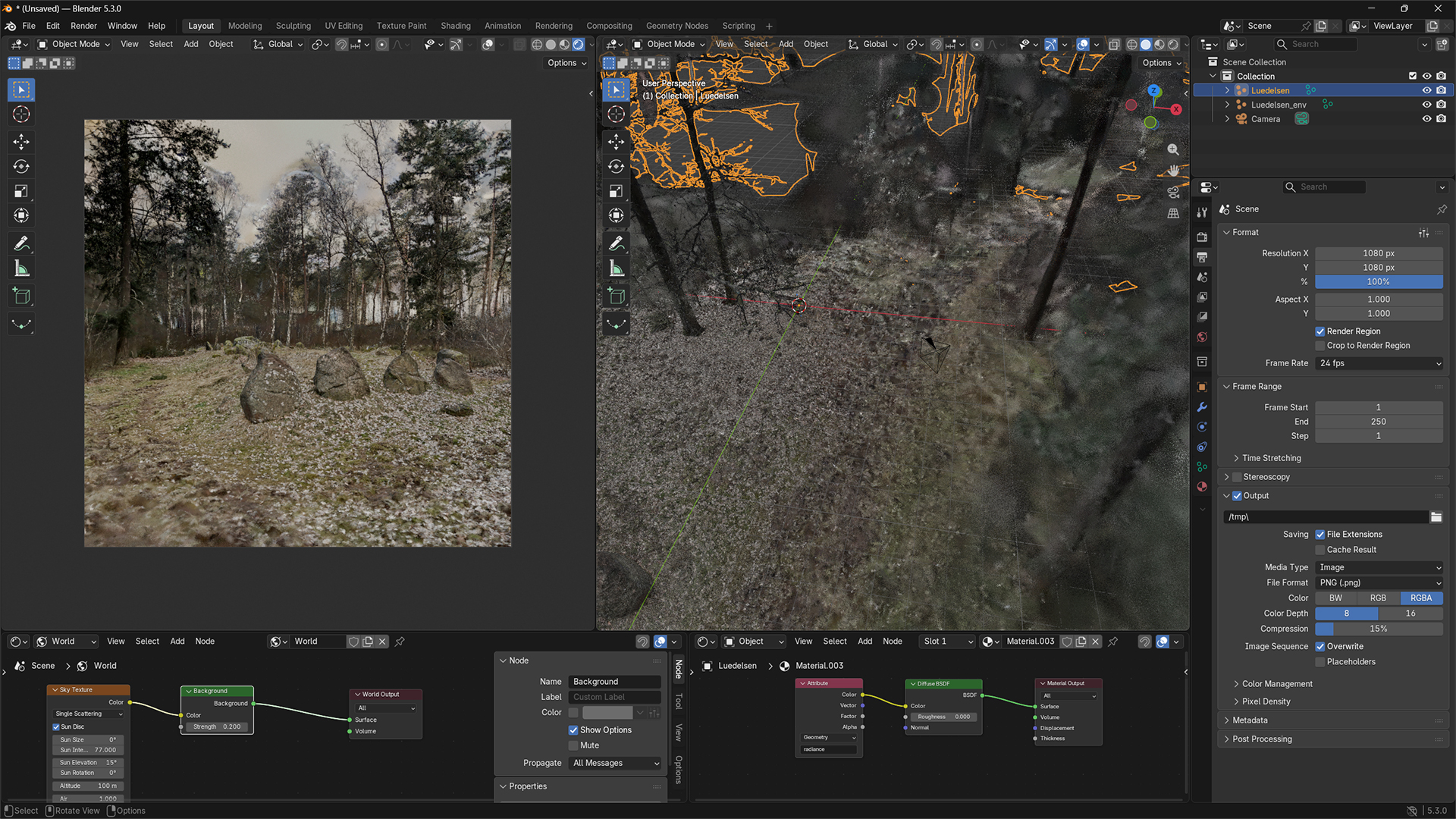
Blender 5.3 supports native Gaussian Splats for the first time. This allows photorealistic 3D shots to be imported, edited, and rendered directly in Blender. Initial capabilities for relighting are also included. For users of the XGRIDS PortalCam, this opens up new ways to reuse real-world environments for visualizations and animations.
The Gaussian splatting support in Blender 5.3 is an initial implementation. It lays the foundation for further improvements in rendering, speed, and editing.
TitleImporting Gaussian Splats from PortalCam into Blender
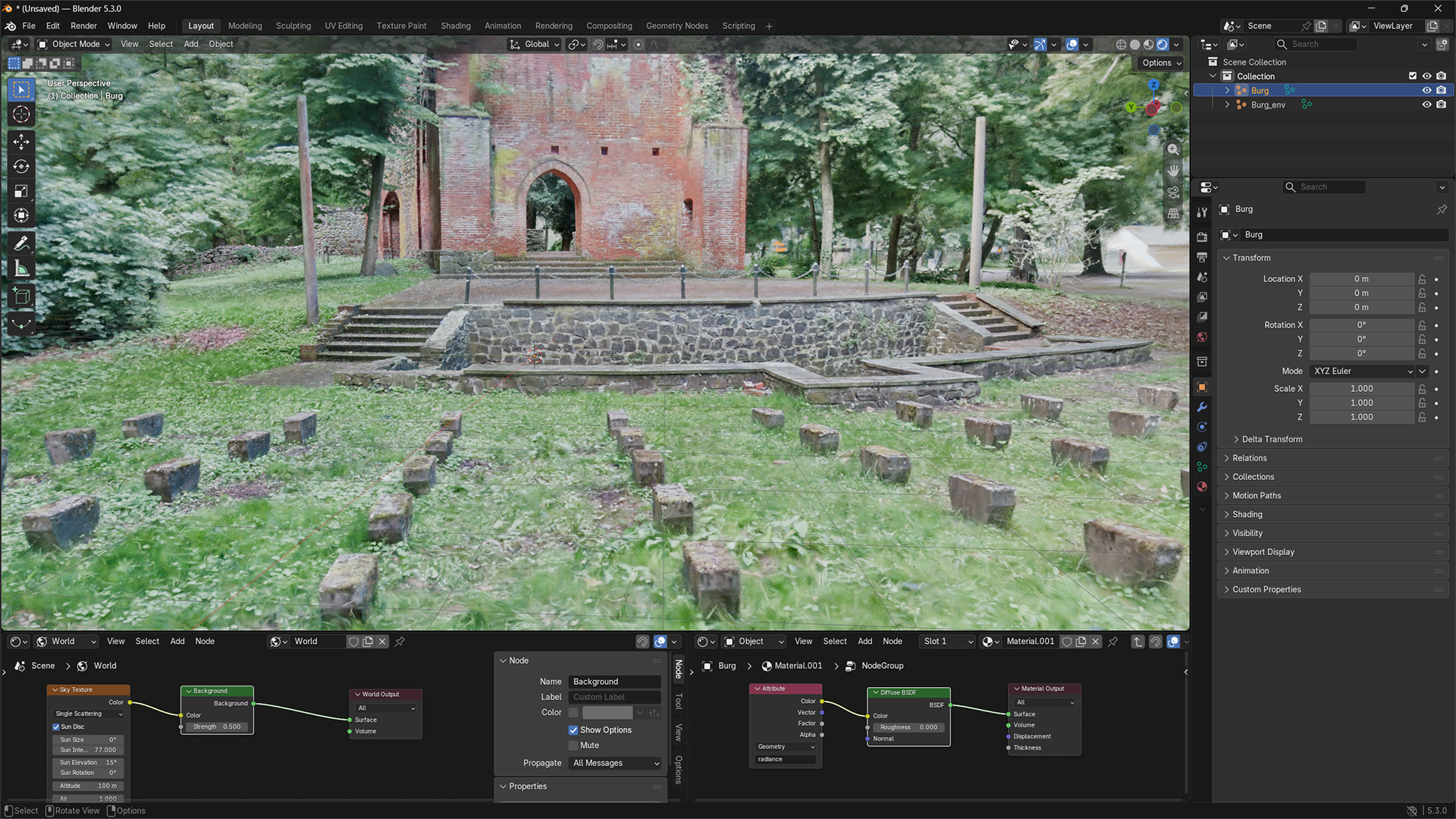
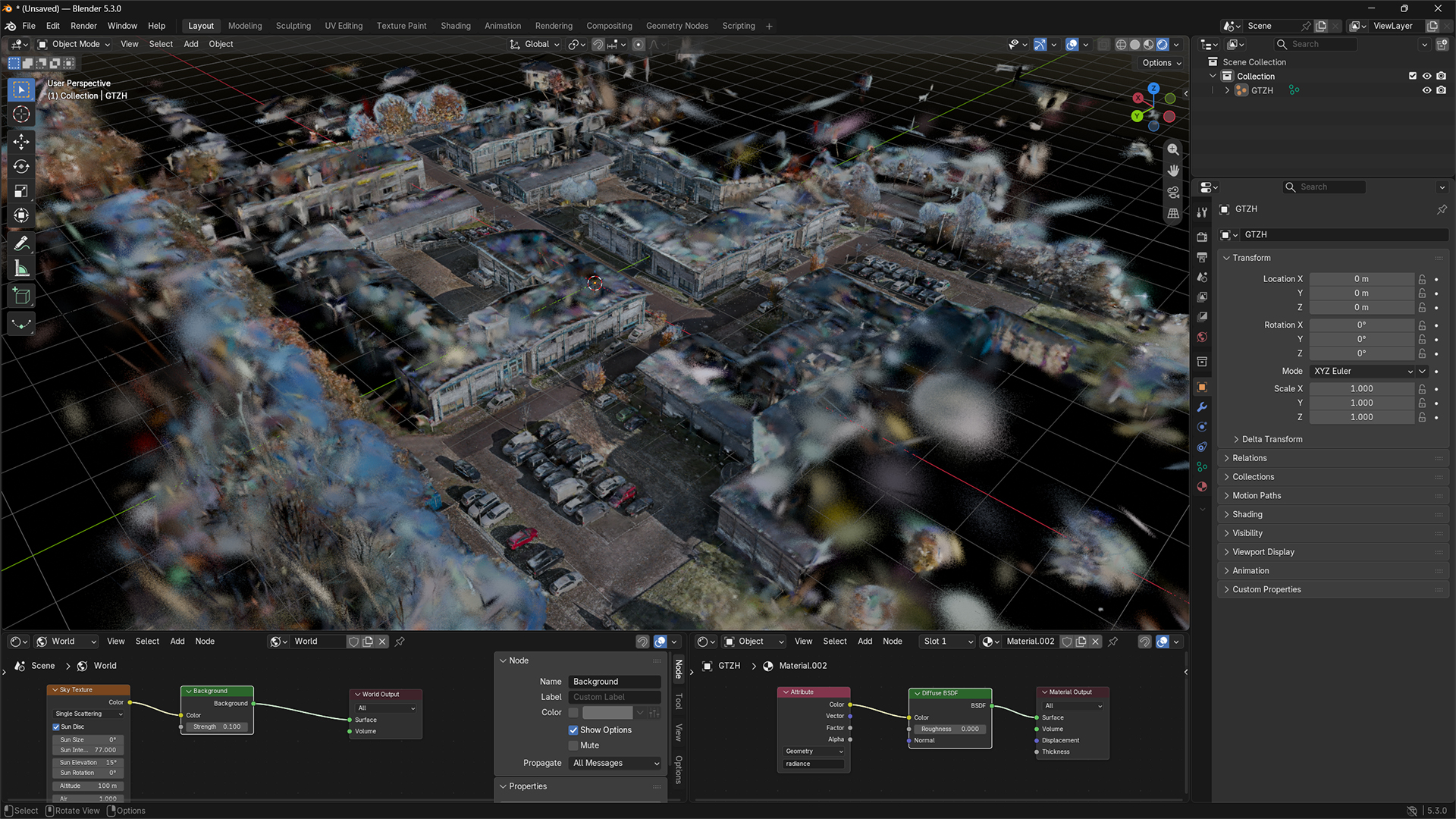
XGRIDS’ PortalCam combines LiDAR and cameras to capture real-world environments. Lixel CyberColor Studio then processes the footage into a Gaussian splatting model. The data can be exported as a 3DGS-PLY file and imported into Blender 5.3.
This makes the captured environment the basis for a Blender scene. Possible applications include camera moves, architectural visualizations, and digital backdrops supplemented with additional 3D objects.
This workflow requires a supported exchange format such as Gaussian-PLY. Direct native import from LCC or LCC2 is not listed in the Blender release notes.
TitleRendering Gaussian Splatting in EEVEE and Cycles
Blender 5.3 can render Gaussian Splats in both EEVEE and Cycles. EEVEE uses a raster-based approach and aligns the splats with the camera. Cycles integrates them into its path tracing and thus also takes secondary rays into account, such as those for reflections.
The different methods can lead to visible differences. It’s therefore worth comparing both render engines using your own Gaussian Splat model. The Blender developers see room for improvement, particularly in EEVEE’s rendering performance.
TitleRelighting in Blender 5.3: Relighting Gaussian Splats
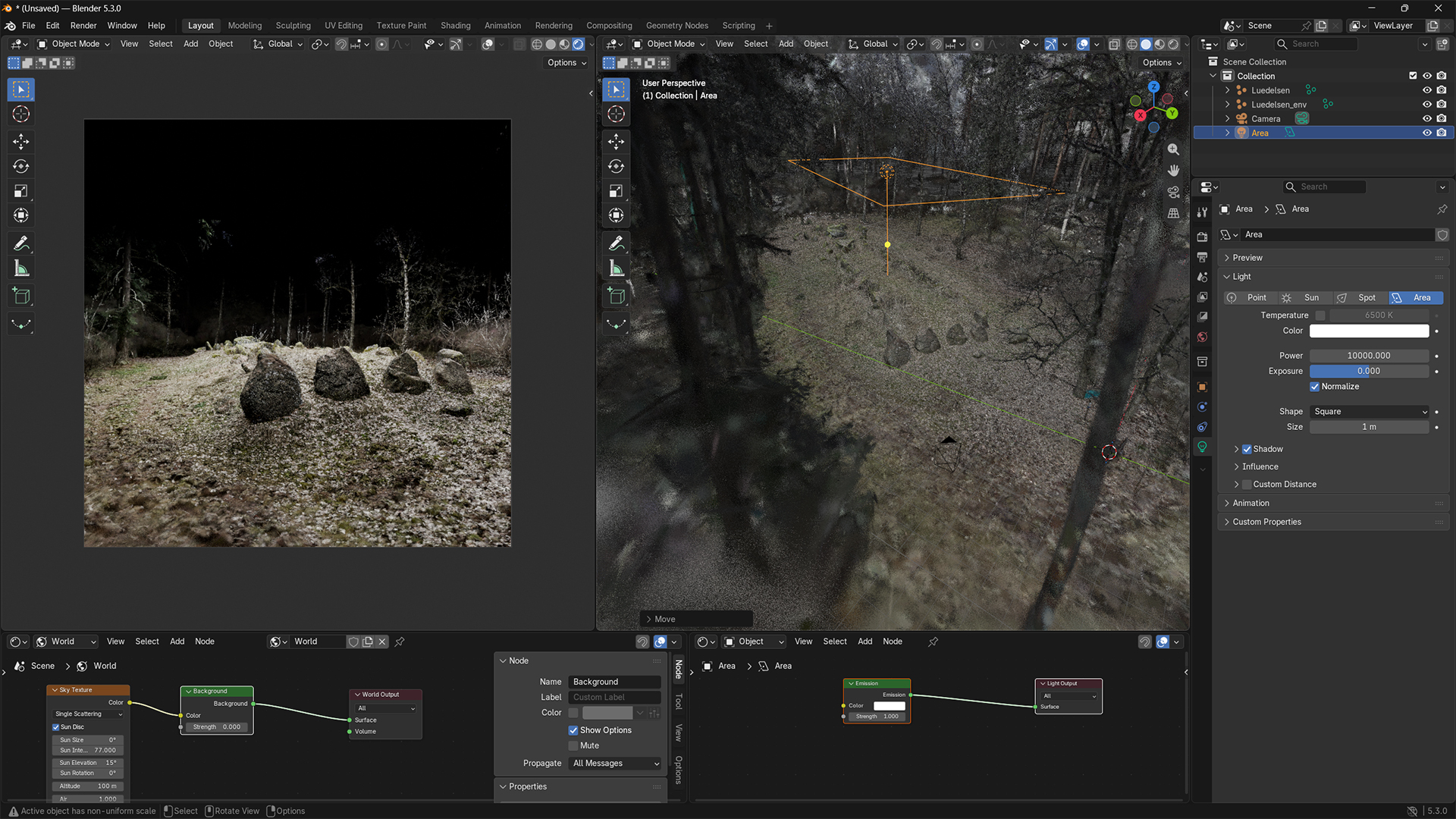
In Blender 5.3, Gaussian Splats can already be relit. By default, they use a self-illuminating rendering mode that reflects their captured appearance. By adjusting the material in the Shader Editor—for example, with a Diffuse BSDF—additional light sources can be applied to the Splats.
However, this so-called “relighting” is still in an early stage of development. Blender determines surface normals approximately. Furthermore, the original lighting effects remain part of the saved image data. Consequently, the level of control does not yet match that of a traditional 3D model with separate material properties.
TitleNative Gaussian Splats in Blender with Further Potential
Blender 5.3 marks the first step toward native integration of Gaussian Splatting. The developers mention further potential improvements in performance, editing tools, and relighting. Color space processing can also still cause differences in rendering at this time.
For users of XGRIDS PortalCam and Lixel CyberColor, this opens up an additional avenue for creative post-processing of their footage. Gaussian splats can already be created and rendered directly in Blender. The new technical foundation also paves the way for further developments in future versions of Blender.