3DGS vs. NeRF vs. voxel models vs. 4D solid models

TitleFrom 3DGS to NeRF: 3D technology innovations at a glance
In the rapidly evolving world of 3D technology, two terms often emerge in discussions among professionals: 3D Gaussian Splatting (3DGS), Neural Radiance Fields (NeRF), 4D Volumetric Models, and Voxel Models. These technologies are integral to a range of industries, from visual effects (VFX) and gaming to medical imaging and geospatial analysis. But what exactly are these technologies, how do they differ, and where are they headed? In this article, I will try to break down these concepts, explore their applications, and discuss their future potential.
TitleWhat is 3D Gaussian Splatting (3DGS)?
In the rapidly evolving world of 3D technology, two terms often emerge in discussions among professionals: 3D Gaussian Splatting (3DGS), Neural Radiance Fields (NeRF), 4D Volumetric Models, and Voxel Models. These technologies are integral to a range of industries, from visual effects (VFX) and gaming to medical imaging and geospatial analysis. But what exactly are these technologies, how do they differ, and where are they headed? In this article, I will try to break down these concepts, explore their applications, and discuss their future potential.
How does it work?
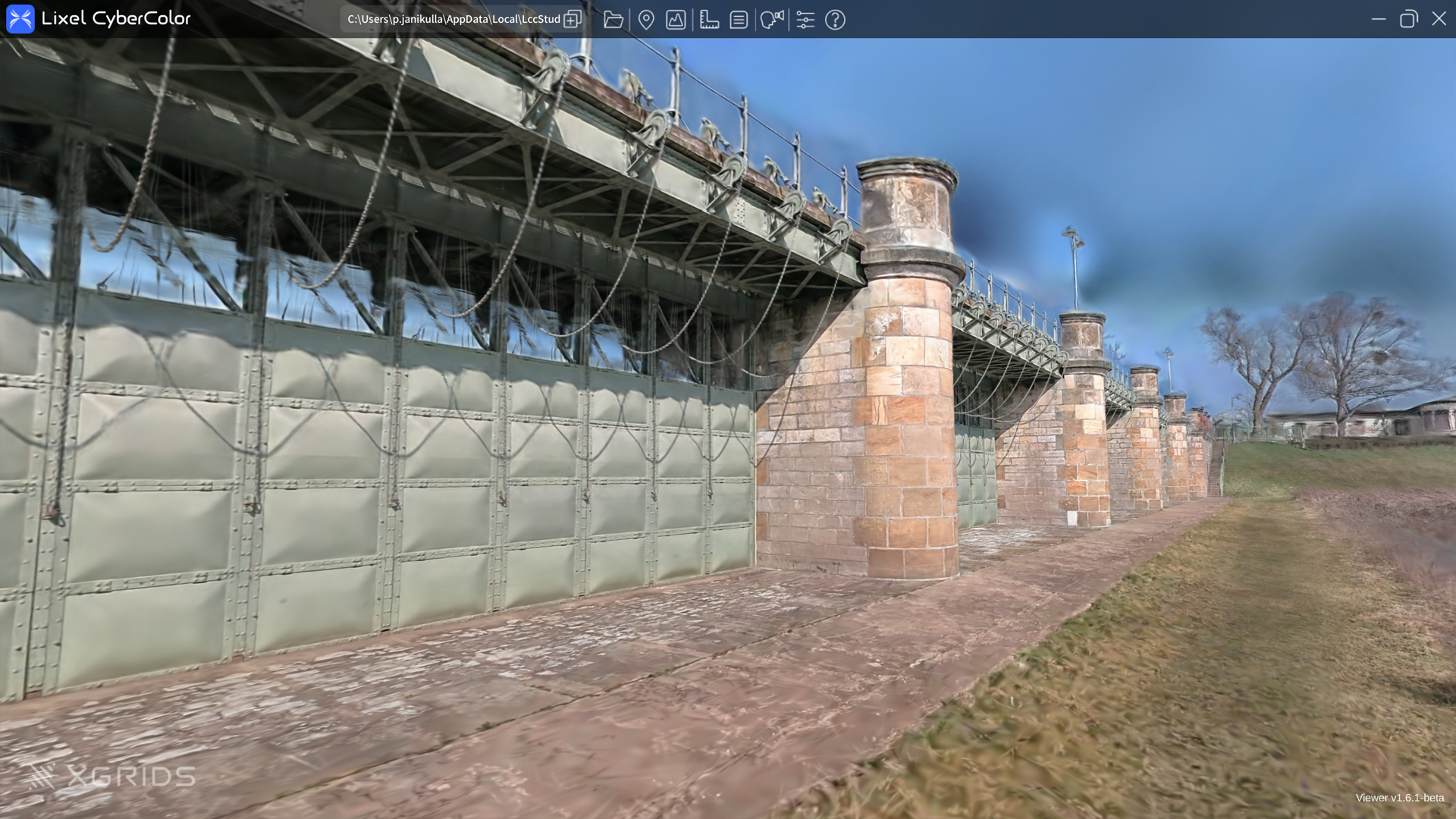
Imagine you're creating a 3D scene. Instead of building it from polygons (as most traditional methods do), 3DGS uses points that are "smeared" into space using Gaussian functions. These "splat" points create a surface that is smooth and continuous, which is then rendered into the final image. This technique is especially effective for creating detailed, realistic surfaces quickly.
3DGS in action
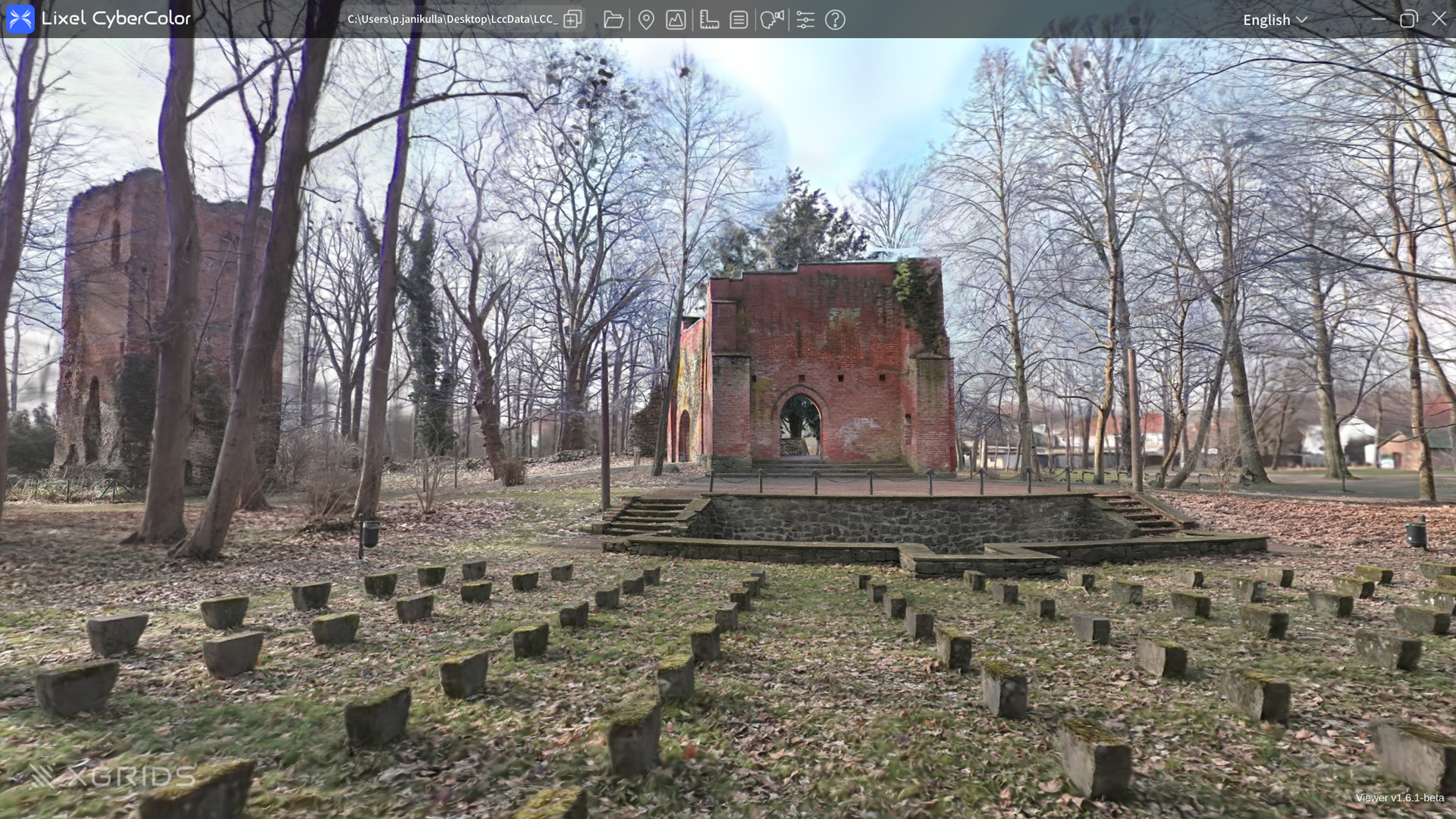
3D Gaussian Splatting has quickly gained traction in industries requiring fast, high-quality rendering. In VFX, for instance, it allows for the creation of lifelike environments that can be rendered in real-time, saving both time and computational resources. XGRIDS is at the forefront of integrating 3DGS into 3d reconstruction workflows, enabling stunning visual experiences in virtual tours, games and movies.
TitleWhat is Neural Radiance Fields (NeRF)?
Overview: NeRF is a deep learning-based approach for 3D scene reconstruction. It represents a scene as a continuous 3D function, using a neural network to model the density and color of the scene at any point in space. NeRF excels in synthesizing novel views of complex scenes from a sparse set of 2D images.
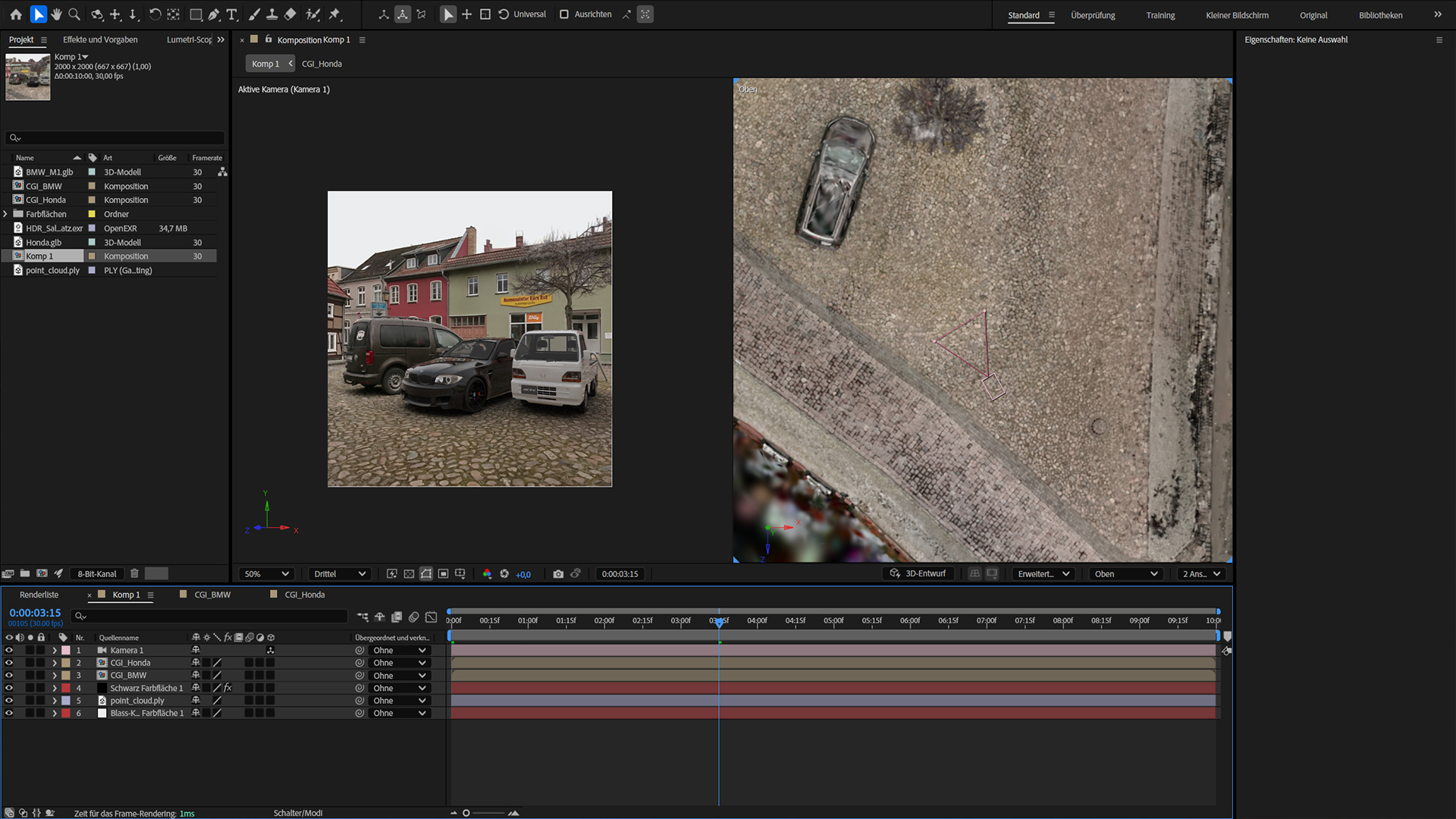
NeRF in Action: NeRF needs to process a large amount of image data to produce realistic 3D scenes. This process is computationally intensive, requiring high-performance GPUs and large amounts of memory, which can be a significant barrier for general users and smaller enterprises. That has limited its widespread adoption. This requirement for substantial processing resources makes it accessible mainly to tech giants like Google and Facebook, research institutions, or organizations with powerful computing infrastructure.
TitleWhat is Volumetric Model?
Volumetric Models, on the other hand, represent 3D space using volumetric data, often in the form of voxels. Voxels are akin to 3D pixels, tiny cubes that make up a volume of space. This approach is particularly well-suited for representing complex internal structures, such as human organs in medical imaging or subsurface layers in geological mapping. Volumetric Models can provide detailed, high-resolution 3D representations that are crucial in fields that require precision.
How does it work?
Think of a volumetric model as a 3D grid filled with tiny cubes, each containing data about a specific part of the object or space being modeled. This grid can then be used to create highly detailed 3D models that can be manipulated and analyzed in various ways. This is particularly useful in applications where internal details are as important as external ones, such as in medical imaging or scientific simulations.
Volumetric Models in Action
Volumetric Models are the backbone of several critical applications in fields like healthcare, geospatial analysis, and scientific research. These models provide the depth and detail necessary for complex simulations and analyses, where accuracy is paramount.
TitleWhat are 4D Volumetric?
4D Volumetric modeling extends traditional 3D volumetric models by incorporating time as a fourth dimension. This allows for the representation of dynamic scenes where objects or environments change over time.
Application: 4D Volumetric modeling is used in applications such as motion capture, dynamic scene reconstruction, and any scenario where the temporal evolution of a scene is important, such as in animated films or virtual simulations.
TitleComparative analysis: strengths & weaknesses
| Strengths | Weaknesses | |
|---|---|---|
| 3D Gaussian Splatting |
| Limited when dealing with intricate internal details, resolution may suffer at close distances.
|
| Neural Radience Fields (NeRF) |
|
|
| Voxel model |
|
|
| 4D volume model |
|
|
TitleTechnologies in comparison
Rendering and Realism:
- 3DGS focuses on efficient real-time rendering with smooth surfaces, suitable for interactive environments.
- NeRF excels in creating photorealistic images but at the cost of higher computational demands.
- Voxel Models offer detailed volumetric data representation, useful in precise applications but less efficient for large-scale environments.
- 4D Volumetric models capture temporal changes, making them ideal for dynamic simulations but requiring significant storage.
Computational Requirements:
- 3DGS and Voxel Models are generally less demanding than NeRF and 4D Volumetric models, which require substantial computational resources.
Use Cases:
- 3DGS is preferred for gaming, virtual tours, and applications needing quick rendering.
- NeRF is used where photorealism is critical, such as in VFX and AR/VR.
- Voxel Models are favored in fields requiring precise volumetric analysis, like medical imaging.
- 4D Volumetric models are essential for capturing and simulating time-dependent phenomena.
TitleIndustry Use Cases: Real-World Examples
3DGS in practice
A leading example is the use of 3DGS by XGRIDS in creating immersive virtual tours and digital twins. The technology has been used to capture entire environments in unprecedented detail, offering users an interactive experience that feels almost like being there in person.
Volumetric models in practice
In the medical field, companies like GE Healthcare use volumetric models to create detailed 3D scans of organs and tissues, which doctors can then use for diagnostic purposes. This technology is also pivotal in geospatial applications, where it helps map underground structures for resource exploration.
TitleFuture Prospects
The future of 3DGS
As 3DGS continues to evolve, we can expect it to become even more integral to industries that rely on real-time rendering. The push towards more interactive and immersive experiences, particularly with the advent of AR/VR, will likely see 3DGS playing a key role in content creation.
The Future of Volumetric Models
Volumetric Models will continue to dominate fields requiring detailed internal imaging. Advances in AI and machine learning will further enhance the processing and analysis of volumetric data, making these models more powerful and applicable in real-time scenarios.
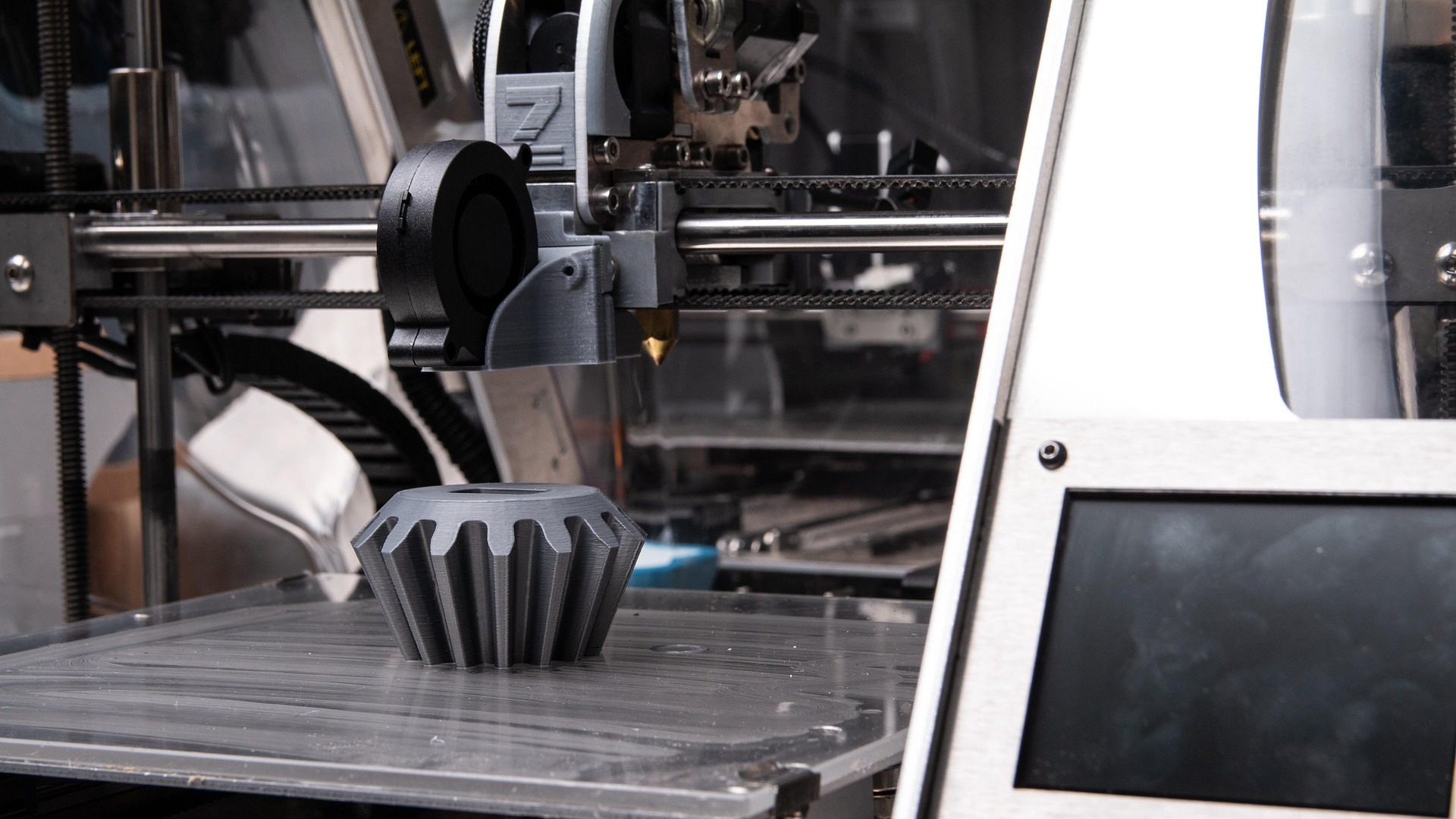
- Voxel Models will remain vital in scientific and medical applications, with potential growth in industries like 3D printing and digital manufacturing.
- 4D Volumetric models will become crucial in fields requiring dynamic scene analysis and simulation, especially in combination with AI and machine learning.
TitleConclusion
Both 3D Gaussian Splatting and Volumetric Models represent significant advancements in 3D technology, each with its own strengths and suited applications. While 3DGS is transforming real-time rendering in entertainment and gaming, Volumetric Models continue to provide the precision needed in fields like healthcare and engineering. As these technologies continue to develop, they will likely complement each other, offering even more powerful tools for creating and interacting with 3D content.
Source: XGRIDS